
The Ultimate Guide to Shock Absorbing Mats for Deadlifts and Squats
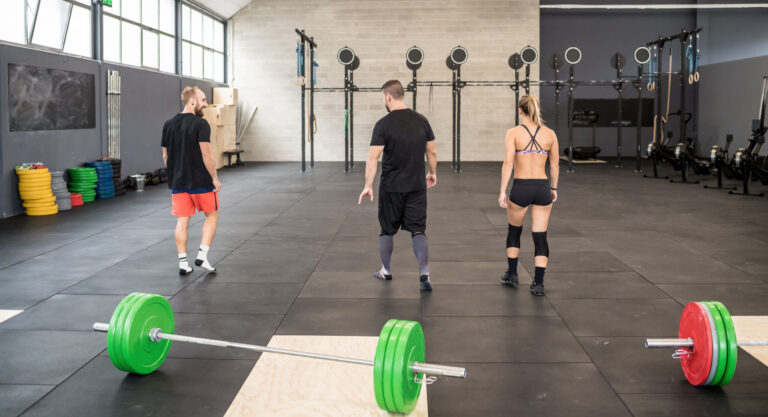
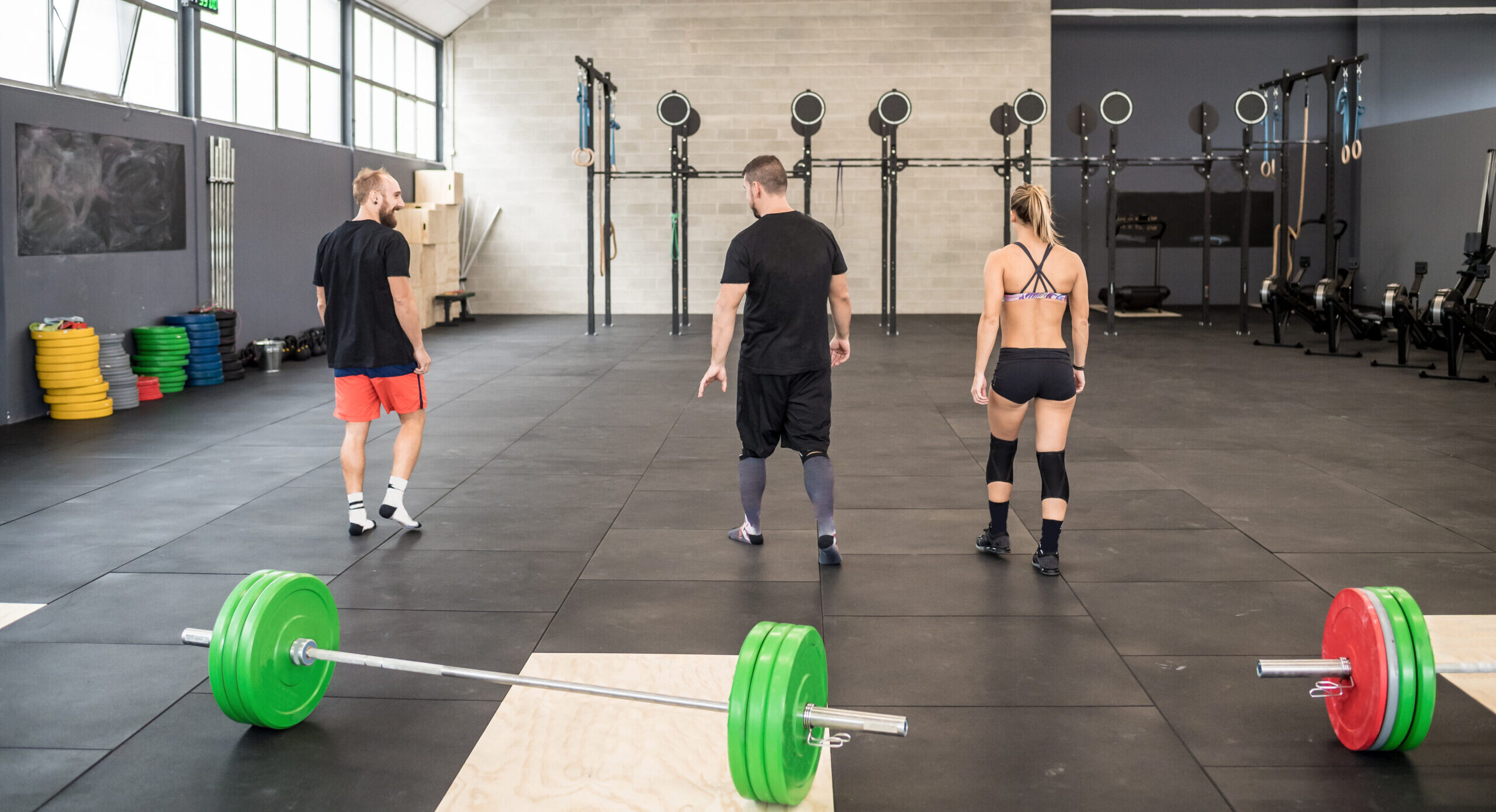
The powerful crash of a heavy deadlift rep is the signature sound of a strong gym. But in a home gym, apartment, or commercial space with neighbors, that sound is a serious problem. The resulting low-frequency vibration shakes floors, rattles walls, and leads to noise complaints. To protect your equipment, your floors, and your relationships, you need a specialized solution. Standard mats are not enough. You need true shock absorbing mats designed specifically for barbell lifts.
The Best Workout Gym mats!
The Problem: Why Barbells, Deadlifts, and Squats Are So Loud
When a loaded barbell hits the floor, it creates two types of noise:
Airborne Noise: This is the high-frequency “clang” of the plates. It is annoying but relatively easy to block with walls.
Structural-Borne Noise: This is the deep, low-frequency “THUD.” This sound is the real enemy. It travels as a vibration through the mat, into your floor, and through the entire building’s frame.
Thin mats or cheap foam “puzzle mats” do nothing to stop this vibration. The impact force simply “bottoms out.” It compresses the mat instantly and transfers the full shock into the floor. This is what your downstairs neighbors feel and hear. You need a solution that absorbs the energy, not just covers the floor.
The Solution: High-Density Rubber Flooring
For effectively dampening sound from deadlifts and squats, two features are non-negotiable: thickness and density.
Thickness: Your First Line of Defense
A thin mat offers no real shock absorption for heavy impacts. The force travels right through it.
1/2 Inch (12mm): This is the minimum starting point for a dedicated lifting area. It provides good protection for moderate weightlifting and general fitness.
3/4 Inch (19mm) or Thicker: This is the gold standard for heavy deadlifts and Olympic lifts. This level of thickness provides significant air and material for the mat to compress. It slows the impact and dissipates the force before it reaches the subfloor.
Density: The Key to Killing Vibration
Thickness alone is not the answer. A thick, low-density foam mat will compress too easily and still bottom out. You need mass. High-density rubber gym flooring provides the mass and resilience required to “deaden” the sound. The heavy, tightly compressed rubber absorbs the impact energy and stops the vibration from traveling. This is why our premium rubber tiles are the preferred choice for professional training facilities and serious home gyms.
How to Build the Ultimate Quiet Lifting Zone
You have two main strategies for creating a deadlift-ready, sound-dampening floor. The best choice depends on your space and budget.
Option 1: The Heavy-Duty Mat Solution (Good)
For many home gyms, a single layer of high-quality, thick rubber is enough.
Product: Use 3/4-inch thick, high-density interlocking rubber tiles.
How it Works: This solution provides a massive 19mm buffer of dense rubber. It is heavy enough to stay in place and thick enough to absorb the impact of most conventional deadlifts and squats.
Best For: Garages, basements, or commercial spaces where you need to designate a durable, quiet lifting zone.
Option 2: The Multi-Layer Platform (Best for Apartments)
For maximum sound absorption (especially in apartments), you must decouple the platform from the floor. This “floating” style platform traps vibration.
Base Layer: Start with a base layer of rubber rolls. This provides your first, seamless layer of vibration damping.
Rigid Layer: Add a layer of solid plywood (not sold by ATX MATS) on top of the rubber rolls. This rigid layer helps to distribute the impact force evenly across the rubber base.
Top Layer: Finish with your primary lifting surface. Install thick 3/4-inch interlocking tiles on top of the plywood.
This multi-layer system creates a “sound sandwich.” The vibration from the barbell hits the top rubber layer, gets distributed by the wood, and is finally deadened by the rubber base layer. Very little vibration ever reaches your structural floor.
What About “Deadlift Crash Pads”?
Crash pads are thick, soft foam pads you place on either side of your barbell. They are extremely effective at silencing barbell drops. However, they have downsides:
They only protect a small area.
They can create an unstable or uneven surface for pulling.
You must constantly move them into place.
A full flooring solution made of shock absorbing mats is a more professional, permanent, and safer investment. It protects your entire lifting area, provides a stable surface for all exercises, and handles any dropped weight, not just the barbell.

ATX MATS: The Foundation for Your Heaviest Lifts
At ATX MATS, we are a Service-Disabled Veteran Owned & Minority Owned Small Business founded by three Brazilian Jiu-Jitsu black belts. We understand high-impact sports and the need for flooring that performs. We provide factory-direct pricing on premium, high-density sports flooring. This ensures you get the professional-grade materials needed to silence your deadlifts without the retail markup.
Choose your rubber gym mats!
Stop letting noise limit your training. Build a foundation that can handle your strength. Explore our full collection of home gym flooring and heavy-duty rubber tiles today.